35-minute dinner
One-Pot Creamy Tomato Turkey Orzo
Lean ground turkey, tender orzo, spinach, and a creamy tomato sauce come together in one pot in 35 minutes with an estimated 32 grams of protein per serving.
Published · Updated

- Total time
- 35 min
- Serves
- 6
- Est. protein
- 32g
The recipe
One-Pot Creamy Tomato Turkey Orzo
Ingredients
- 1 tablespoon olive oil
- 1 medium yellow onion, diced
- 3 garlic cloves, minced
- 1 1/2 pounds 93% lean ground turkey
- 2 teaspoons Italian seasoning
- 1 teaspoon kosher salt
- 1/2 teaspoon black pepper
- 1 (15-ounce) can crushed tomatoes
- 3 cups low-sodium chicken broth
- 1 1/2 cups dry orzo
- 3 cups baby spinach
- 1/2 cup half-and-half
- 1/2 cup grated Parmesan cheese
Contains: Milk, Wheat
Instructions
- Heat the olive oil in a large deep skillet or Dutch oven over medium heat. Add the onion and cook until softened, about 4 minutes. Add the garlic and cook for 30 seconds.
- Add the ground turkey, Italian seasoning, salt, and black pepper. Cook, breaking the turkey into small pieces, until no pink remains, about 6–8 minutes.
- Stir in the crushed tomatoes, chicken broth, and orzo. Bring to a gentle boil, then reduce the heat to medium-low. Cook uncovered, stirring often, until the orzo is tender and the turkey reaches 165°F, about 10–12 minutes.
- Stir in the spinach until wilted. Remove from the heat, then stir in the half-and-half and Parmesan. Rest for 3 minutes before serving.
Food safety: Ground turkey must reach 165°F. Refrigerate leftovers within 2 hours and reheat to 165°F.
Leftovers: Refrigerate for up to 3–4 days. The orzo will absorb sauce as it sits, so add a splash of broth or water before reheating to 165°F.
Cooking pasta in the sauce
This is a risotto-method pasta dish: the orzo cooks in the same pot as everything else, absorbing broth and crushed tomatoes instead of being boiled in water and drained. The starch that would normally go down the sink stays in the pot, and it is what makes the sauce creamy before any dairy is added.
The method is forgiving but has two rules.
Stir often. Orzo is small, dense and heavy, and it sinks. Left alone it settles onto the bottom of the pot and scorches — you will smell it before you see it, and the burnt flavor spreads through the whole dish. Every couple of minutes, scrape the bottom with a flat-edged spoon.
Keep the heat gentle. Medium-low once the pasta is in. A hard boil drives off liquid faster than the orzo can absorb it, and you end up with pasta that is still chalky in a pot that has gone dry.
The liquid-to-pasta ratio here — three cups of broth plus a 15-ounce can of tomatoes to a cup and a half of orzo — is calculated for roughly 10 to 12 minutes of absorption. If your pot is wide and shallow, evaporation is faster and you may need a splash more broth; if it is tall and narrow, you may need a minute or two longer at the end.
When the dairy goes in
Off the heat. Both the half-and-half and the Parmesan are added after the pot comes off the burner, and they should never boil. Crushed tomatoes are acidic, and acid plus heat plus low-fat dairy is the standard recipe for a curdled sauce.
Three minutes of resting after the dairy does two things: it lets the Parmesan melt fully into the residual heat without any risk of graininess, and it lets the orzo finish absorbing the last of the liquid, which firms the sauce up considerably. A pot that looks slightly loose when you take it off the heat will be exactly right after resting.
Ingredient notes
Ground turkey, 93% lean. Fat matters in a tomato sauce; it carries flavor and keeps the meat from going grainy. The 99% lean version turns dry and crumbly in a long simmer.
Crushed tomatoes. Not diced, not purée. Crushed has enough texture to read as a sauce and enough liquid to cook the pasta. Diced tomatoes stay in stubborn cubes; purée is too thick and scorches.
Orzo. Regular orzo, not the whole-wheat kind, which absorbs liquid at a different rate and needs more broth. If substituting another small shape — ditalini, tubetti, small shells — expect to adjust liquid and time by feel.
Parmesan. From a wedge. The pre-grated kind resists melting and can leave a gritty texture in a sauce this thin.
Spinach. Added at the very end, off the direct heat or just before it, and stirred until it collapses. Thirty seconds is enough; longer and it turns olive-drab and loses its structure.
Where it goes wrong
Burnt bottom. Not enough stirring, or heat too high. If you smell scorching, immediately transfer everything to a clean pot without scraping the bottom — you can often save the dish.
Gluey texture. Usually too little liquid or too much stirring at high heat, which shears starch out of the pasta. Add broth in small splashes rather than stirring harder.
Bland sauce. One 15-ounce can of tomatoes and three cups of broth need real salt. Taste before serving, and if it is flat, it is almost always salt — or a splash of red wine vinegar, which sharpens tomato flavor without adding more salt.
Leftovers — and the thing to know
Orzo keeps absorbing liquid in the refrigerator. By the next day, what was a creamy pot has become a solid, sliceable block. This is normal and fixable: add a splash of broth, milk or water per portion and warm it slowly to 165°F, stirring, until it loosens.
Three to four days refrigerated. Freezing works less well than most pasta bakes — the texture of the orzo softens and the dairy separates slightly — but it is edible, and a stir with fresh broth after reheating helps.
Serving it
This is a complete meal in a bowl, so keep the sides simple: garlic bread for the sauce, or a bitter salad — radicchio, arugula, escarole — with a lemon dressing to cut the creaminess. Extra Parmesan and red pepper flakes at the table. A medium-bodied Italian red like Chianti or Barbera has the acidity to match the tomatoes.
Questions people ask
Can I use ground beef or Italian sausage? Yes. Sausage is excellent here and brings its own seasoning, so cut the Italian seasoning and salt back and taste as you go.
Can it be made dairy free? Use full-fat coconut milk or a cashew cream in place of the half-and-half and skip the Parmesan, adding a tablespoon of nutritional yeast. The character changes but the method holds.
Why is my orzo still hard? Either the heat was too high and the liquid evaporated instead of being absorbed, or the pot lost too much to steam. Add a half cup of hot broth and keep going at a gentle simmer.
Can I use kale instead of spinach? Yes, but add it with the last five minutes of pasta cooking rather than at the end — it needs actual heat and time to soften.
About the protein estimate32g per serving is an estimate based on standard ingredient data. Brands, substitutions, and portion sizes change the result. View the source.
More dinners like this

Chicken Shawarma Rice Bowls
Warm-spiced chicken, rice, cucumber, tomatoes, and lemon yogurt come together in easy shawarma-inspired bowls.
Get the recipe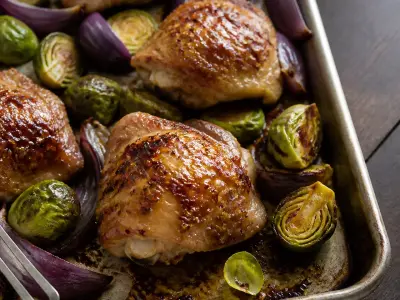
Maple Dijon Chicken and Brussels Sprouts
Maple-Dijon chicken thighs roast with Brussels sprouts and red onion on one sheet pan.
Get the recipe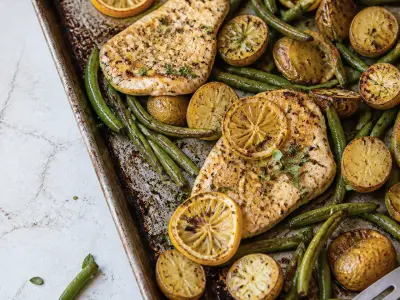
Sheet Pan Lemon Garlic Chicken and Potatoes
Golden potatoes, juicy lemon-garlic chicken, and crisp green beans share one pan in this easy 45-minute dinner with an estimated 36 grams of protein per serving.
Get the recipe