30-minute dinner
Teriyaki Ground Turkey Rice Bowls
Savory-sweet ground turkey, broccoli, and carrots pile onto warm rice in these 30-minute bowls with an estimated 36 grams of protein per serving.
Published · Updated

- Total time
- 30 min
- Serves
- 4
- Est. protein
- 36g
The recipe
Teriyaki Ground Turkey Rice Bowls
Ingredients
- 1/3 cup low-sodium soy sauce
- 2 tablespoons honey
- 1 tablespoon rice vinegar
- 1 teaspoon toasted sesame oil
- 2 garlic cloves, minced
- 1 teaspoon grated fresh ginger
- 1 tablespoon cornstarch
- 1/3 cup plus 2 tablespoons water, divided
- 1 tablespoon avocado oil
- 1 1/2 pounds 93% lean ground turkey
- 4 cups small broccoli florets
- 1 cup shredded carrots
- 2 (8.8-ounce) pouches microwave brown rice
- 3 scallions, thinly sliced
Contains: Soy, Wheat, Sesame
Instructions
- Whisk the soy sauce, honey, rice vinegar, sesame oil, garlic, ginger, cornstarch, and 1/3 cup of the water together.
- Heat the avocado oil in a large skillet over medium-high heat. Add the ground turkey and cook, breaking it into small pieces, until no pink remains, about 6–8 minutes.
- Add the broccoli and the remaining 2 tablespoons water. Cover and cook for 3 minutes. Stir in the carrots and teriyaki mixture.
- Simmer uncovered for 3–4 minutes, until the sauce thickens, the vegetables are crisp-tender, and the turkey reaches 165°F.
- Heat the rice according to the package directions. Divide among four bowls and top with the turkey mixture and scallions.
Food safety: Cook ground turkey to 165°F. Refrigerate leftovers within 2 hours and reheat to 165°F.
Leftovers: Refrigerate in a covered container for up to 3–4 days. Reheat hot components to 165°F before serving.
Ground turkey as a stir-fry protein
Ground turkey is cheaper than sliced steak, cooks in six to eight minutes, needs no knife work, and carries sauce better than any whole cut because of all the broken surfaces. The trade-off is texture: it can go from crumbly to pasty if you handle it wrong.
The technique that matters is breaking it up properly and then letting it sit. Add the turkey to a hot pan, break it into small pieces with a spatula in the first minute, and then leave it alone for two or three minutes so a face of it can brown against the metal. Constant stirring for eight minutes gives you uniformly pale, steamed meat. A few browned patches give the bowl depth that the sauce alone cannot supply.
Ninety-three percent lean is the right choice. Ninety-nine percent lean turkey has almost no fat, which means no browning and a dry, grainy result under a sweet sauce.
Teriyaki sauce, made honestly
The sauce in this recipe is soy sauce, honey, rice vinegar, sesame oil, garlic, ginger, cornstarch and water. That is very close to what a bottled teriyaki contains, minus the corn syrup and the preservatives, and it takes ninety seconds to whisk together.
The cornstarch is what makes it a glaze rather than a broth. One tablespoon in about a half cup of liquid thickens to coat the back of a spoon after three or four minutes of simmering. Two critical details:
- Whisk it into cold liquid, never hot. Cornstarch dropped into a simmering pan seizes into lumps that never dissolve.
- Stir it again immediately before pouring. It settles to the bottom of the bowl within a minute, and if you pour off the top you will add flavored water and leave the thickener behind.
If the sauce ends up thicker than you want, a splash of water fixes it. If it is thinner, another minute of simmering will usually do it — starch-thickened sauces continue to set as they cool.
Vegetables in the same pan
Broccoli and carrots are doing different jobs. The broccoli gets a covered three-minute steam with two tablespoons of water, because raw florets will not soften in the time the sauce needs. Shredded carrots go in later and essentially just warm through, keeping a little crunch and adding sweetness and color.
Cut the broccoli into small florets, about an inch. Big florets in a skillet this crowded cook unevenly, with soft outsides and raw stems.
Shredded carrots from a bag are a legitimate shortcut here and one of the few pre-cut vegetables that loses nothing. If you shred your own, use the large holes of a box grater.
Ingredient notes
Soy sauce. Low-sodium. This sauce reduces, which concentrates salt, and full-strength soy plus honey plus reduction is a combination that gets salty fast.
Honey. Two tablespoons for a pound and a half of turkey is restrained on purpose. Bottled teriyaki is considerably sweeter; if that is what you are after, add a third tablespoon.
Fresh ginger. Grated on a microplane. It is one of the two flavors that make this taste like teriyaki rather than brown sauce, and ground ginger does not stand in for it.
Toasted sesame oil. A finishing oil. It goes into the sauce mixture rather than the hot pan, which keeps its aroma intact.
Common problems
Watery sauce. Usually the vegetables. Broccoli steamed with water that never evaporated, or frozen vegetables added without draining, dilutes the sauce past the point cornstarch can save. Let the pan dry out for a minute before the sauce goes in.
Overcooked turkey. Ground poultry must reach 165°F, but there is no benefit past it. Once no pink remains, move on to the vegetables.
Flat flavor. Almost always under-seasoning at the fresh end. Scallions at the finish are load-bearing, not decorative.
Meal prep notes
This is one of the better recipes in the collection for cooking on Sunday. It holds three to four days refrigerated, reheats evenly to 165°F, and the texture of ground meat in a starch-thickened sauce does not degrade the way seared steak does. Portion the rice underneath and the turkey on top in individual containers.
It freezes for up to two months, though the broccoli softens noticeably. If you are cooking specifically for the freezer, leave the broccoli out and steam fresh vegetables when you reheat.
Finishing the bowl
Scallions, sesame seeds, and — if you want it — sriracha or chili crisp. A fried egg on top is a good use of five extra minutes. Quick-pickled cucumber ribbons add the acidity the bowl is otherwise missing.
Questions people ask
Can I use ground chicken or pork? Yes. Both cook the same way; pork brings more fat and flavor, chicken behaves almost identically to turkey. Poultry goes to 165°F, ground pork to 160°F.
Can I skip the cornstarch? You can, but you will have a thin sauce that pools at the bottom of the bowl rather than coating the turkey.
How do I make this gluten free? Use tamari or a certified gluten-free soy sauce and check the rice pouch label.
Is frozen broccoli acceptable? Yes, thawed and drained very well. Skip the covered steaming step and add it with the carrots.
About the protein estimate36g per serving is an estimate based on standard ingredient data. Brands, substitutions, and portion sizes change the result. View the source.
More dinners like this
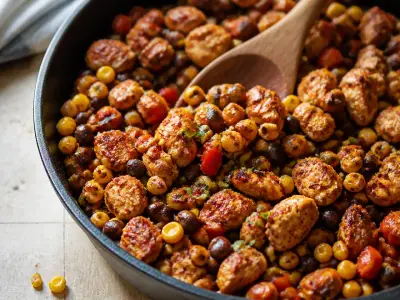
Cajun Chicken Corn Skillet
Cajun-spiced chicken, corn, peppers, and black beans cook together in a colorful 30-minute skillet.
Get the recipe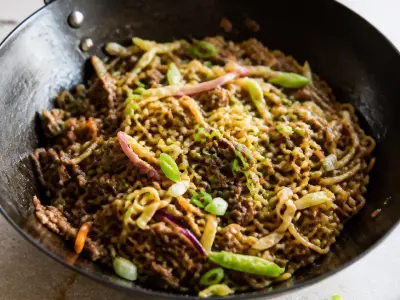
Ginger Beef Ramen Stir-Fry
Lean beef, broccoli slaw, and ramen noodles cook in a gingery soy sauce in 25 minutes.
Get the recipe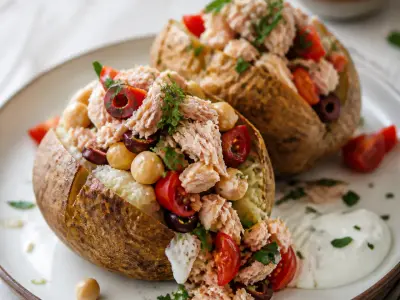
Mediterranean Tuna Stuffed Potatoes
Fluffy baked potatoes get filled with tuna, chickpeas, tomatoes, olives, and lemon yogurt.
Get the recipe