30-minute dinner
Honey Garlic Salmon Rice Bowls
Flaky salmon, edamame, cucumber, and warm rice get a sweet-savory honey garlic glaze in these 30-minute bowls with an estimated 38 grams of protein per serving.
Published · Updated

- Total time
- 30 min
- Serves
- 4
- Est. protein
- 38g
The recipe
Honey Garlic Salmon Rice Bowls
Ingredients
- 4 skinless salmon fillets, about 6 ounces each
- 3 tablespoons low-sodium soy sauce
- 2 tablespoons honey
- 2 garlic cloves, minced
- 1 teaspoon grated fresh ginger
- 1 tablespoon rice vinegar
- 1 teaspoon toasted sesame oil
- 2 (8.8-ounce) pouches microwave jasmine rice
- 1 cup frozen shelled edamame
- 1 English cucumber, thinly sliced
- 3 scallions, thinly sliced
Contains: Fish, Soy, Wheat, Sesame
Instructions
- Heat the oven to 425°F. Line a rimmed sheet pan with parchment paper and arrange the salmon on it.
- Stir the soy sauce, honey, garlic, ginger, rice vinegar, and sesame oil together. Brush half over the salmon.
- Bake the salmon for 10–14 minutes, brushing with the remaining glaze halfway through, until it flakes easily and reaches 145°F.
- Heat the rice and edamame according to their package directions.
- Divide the rice among four bowls. Add the edamame, cucumber, and salmon, then finish with scallions.
Food safety: Cook fish to 145°F. Keep raw salmon and its utensils away from cucumber, scallions, and other ready-to-eat ingredients.
Leftovers: Refrigerate for up to 3–4 days. Store cucumber separately when possible. Reheat the salmon and rice to 165°F, or eat them cold from the refrigerator.
Glazing in two coats
The glaze goes on twice, and the reason is honey. Honey browns fast and burns not long after. Brush the full amount on at the start of a 425°F bake and the sugars on the surface will darken well before the interior of a six-ounce fillet reaches 145°F.
Splitting it solves the problem. The first coat seasons the fish and starts to caramelize; the second, applied halfway through, arrives with only five or six minutes of oven time left, which is enough to set into a sticky lacquer and not enough to scorch. If you like the glaze thicker still, set a tablespoon aside in its own bowl before the brush touches the raw fish, and spoon that over the fillets as they come out of the oven.
Judging salmon doneness
Salmon is done at 145°F, and a thick center-cut fillet climbs the last few degrees off the heat. The visual cue that matters is the fish going from translucent to opaque and the flesh separating into flakes when you press it with a fork at the thickest point. White albumin weeping out of the surface is a sign you have gone past the ideal window — not dangerous, just drier.
Thickness governs everything. A 1-inch fillet is done in about 10 minutes; a 1 1/2-inch one needs closer to 14. Buy fillets of similar thickness or accept that thinner ones come off the pan sooner. If your fillets taper to a thin tail, tuck the tail under itself to even out the depth.
Parchment matters more than it sounds. Honey glaze on bare metal welds itself to the pan; on parchment the fillets lift cleanly and cleanup takes seconds.
Ingredient notes
Salmon. Skinless fillets keep the recipe simple, though skin-on is fine — bake skin-side down and it protects the flesh from the pan. Farmed Atlantic salmon is fattier and more forgiving; wild sockeye is leaner, cooks faster and is easier to overcook by two minutes.
Honey. Mild, light honey suits this better than a dark, strongly floral one, which can turn medicinal under heat.
Garlic and ginger. Both go into the glaze raw and end up cooked onto the fish. Mince the garlic finely — larger pieces sit proud of the surface and burn.
Edamame. Frozen shelled edamame is one of the most useful things in the freezer for bowls like this: three minutes from frozen, no prep, and it brings genuine protein rather than just color.
Cucumber. English cucumber is specified because it has thin skin and few seeds, so it can go in raw and unpeeled. It stays cold and crunchy against the warm glazed fish, and that contrast is most of what makes this a bowl worth eating rather than a plate of salmon and rice.
Food safety worth taking seriously
Raw fish, like raw poultry, should not share a board or a brush with ready-to-eat ingredients. The practical version of this rule: slice the cucumber and scallions first, on a clean board, then handle the salmon. If you brush glaze onto raw fish and then want to brush more later, either reserve the second portion in a separate bowl at the start or wash the brush.
Where it goes wrong
Too-hot oven. 425°F is the ceiling for a honey glaze. At 450°F the surface sugars darken before the interior is ready.
Crowding the pan. Give the fillets an inch of space. Salmon releases moisture, and four fillets pressed together steam each other.
Dressing the cucumber early. Salt draws water out within minutes and leaves you with limp slices in a puddle. Slice it and leave it dry until the bowls are assembled.
Meal prep and leftovers
This is a better meal-prep candidate than most fish dishes, because the glaze keeps the surface moist. Refrigerate up to three to four days. Pack the cucumber separately if you can; it will soften against warm rice.
If you reheat, take the rice and salmon to 165°F gently — a covered dish in the microwave at half power, or a low oven. You can also eat it cold, straight from the refrigerator without reheating: properly chilled cooked salmon, flaked over rice with cucumber and a spoon of yogurt-sriracha, is a genuinely good desk lunch, and it avoids the fishy smell that reheating in a shared kitchen produces. What matters either way is that it went into the refrigerator within two hours of cooking and stayed there.
Building the bowl
Layer warm rice first so it can absorb a little of the glaze, then edamame and cucumber around the edge, then the salmon in the center broken into large flakes. Scallions over everything. Optional additions that earn their place: shredded carrot, a spoon of kimchi, sliced avocado, a drizzle of mayonnaise thinned with sriracha, or toasted sesame seeds.
Questions people ask
Can I use frozen salmon? Yes — thaw it fully overnight in the refrigerator and pat it very dry. Cooking from frozen works in an emergency but adds about 50 percent to the time and gives a less even result.
Air fryer instead of oven? 400°F for 8 to 10 minutes, glazing at the halfway mark. Watch it closely; air fryers concentrate heat on the surface, which is where the sugar is.
What if I do not like sweet fish? Cut the honey to a tablespoon and add an extra teaspoon of rice vinegar. The glaze will be thinner and sharper.
Can I swap in another fish? Arctic char behaves almost identically. Cod and halibut are leaner and flake sooner, so start checking at 8 minutes.
About the protein estimate38g per serving is an estimate based on standard ingredient data. Brands, substitutions, and portion sizes change the result. View the source.
More dinners like this

Cajun Chicken Corn Skillet
Cajun-spiced chicken, corn, peppers, and black beans cook together in a colorful 30-minute skillet.
Get the recipe
Ginger Beef Ramen Stir-Fry
Lean beef, broccoli slaw, and ramen noodles cook in a gingery soy sauce in 25 minutes.
Get the recipe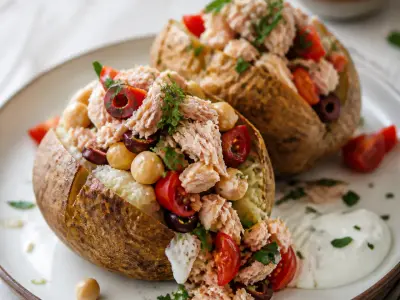
Mediterranean Tuna Stuffed Potatoes
Fluffy baked potatoes get filled with tuna, chickpeas, tomatoes, olives, and lemon yogurt.
Get the recipe