30-minute dinner
30-Minute Beef and Broccoli Rice Bowls
Tender strips of beef and crisp broccoli get a glossy garlic-ginger sauce in these fast rice bowls with an estimated 34 grams of protein per serving.
Published · Updated

- Total time
- 30 min
- Serves
- 4
- Est. protein
- 34g
The recipe
30-Minute Beef and Broccoli Rice Bowls
Ingredients
- 1 1/4 pounds sirloin steak, thinly sliced against the grain
- 1/3 cup low-sodium soy sauce, divided
- 1 tablespoon cornstarch
- 2 tablespoons avocado oil, divided
- 6 cups broccoli florets
- 2 tablespoons water
- 3 garlic cloves, minced
- 1 tablespoon grated fresh ginger
- 2 tablespoons honey
- 1 tablespoon rice vinegar
- 1 teaspoon toasted sesame oil
- 2 (8.8-ounce) pouches microwave brown rice
- 3 scallions, thinly sliced
Contains: Soy, Wheat, Sesame
Instructions
- Toss the steak with 1 tablespoon soy sauce and the cornstarch in a medium bowl.
- Heat 1 tablespoon avocado oil in a large skillet over medium-high heat. Add the broccoli with 2 tablespoons water, cover, and steam for 3 minutes. Uncover and cook until crisp-tender, about 2 minutes more. Transfer to a plate.
- Add the remaining 1 tablespoon avocado oil to the skillet. Cook the steak in a single layer in two batches, about 2 minutes per side, until browned. Return all the steak and broccoli to the skillet.
- Stir the remaining soy sauce, garlic, ginger, honey, rice vinegar, and sesame oil together. Pour into the skillet and simmer for 1–2 minutes, until glossy and the beef reaches 145°F. Remove from the heat and rest for 3 minutes.
- Heat the brown rice according to the package directions. Divide among four bowls, top with the beef and broccoli, and finish with scallions.
Food safety: Cook whole cuts of beef to at least 145°F and rest for 3 minutes. Prevent raw beef juices from contacting ready-to-eat ingredients.
Leftovers: Refrigerate the beef, broccoli, and rice for up to 3–4 days. Reheat leftovers to 165°F.
What the cornstarch is doing
There are two pieces of technique in this recipe, and both of them are borrowed from Chinese home cooking. The first is the tablespoon of cornstarch tossed with the steak at the start. This is a simplified velveting: the starch, hydrated by the soy sauce, forms a thin coating that shields the surface of the meat from direct heat. It keeps the strips juicy in a very hot pan, and once the sauce goes in, the starch that has come loose helps thicken it into something glossy that clings rather than pooling.
The second is cooking in batches. Half the beef at a time, in a single layer, with space between the pieces. A pound and a quarter of steak dumped into a skillet at once drops the pan temperature far enough that the meat releases its juices and simmers. The result is grey, tough and swimming. Two batches of two minutes per side cost you four extra minutes and are the difference between this tasting like takeout and tasting like a sad stir-fry.
Slicing and choosing the beef
Sirloin is the specified cut because it is lean, beefy and affordable, and it slices cleanly. Look at the surface and find the grain, then cut across it at about 1/4 inch. Twenty minutes in the freezer firms the steak enough to make thin, even slices realistic with an ordinary knife.
Flank and skirt also work and are, if anything, more flavorful; they just demand even stricter attention to slicing across the grain because their fibers are longer. Pre-sliced “stir-fry beef” from the meat case is a time saver of uncertain provenance — it is often sliced with the grain, so inspect it before buying.
Whole-cut beef is safe at 145°F with a rest. In practice these thin strips race past that in the final simmer, which is why the sauce stage is only one to two minutes.
The broccoli step people skip
Broccoli goes in first, with two tablespoons of water and a lid, for three minutes. That is a covered steam, not a stir-fry, and it exists because raw broccoli florets will not cook through in the time the sauce takes to thicken. After the lid comes off, two more minutes drive off the water and let the florets take on a little color.
Cut the florets small — about 1 1/2 inches — and keep them uniform. A pan with both tiny florets and fist-sized ones gives you some pieces that are mush and others that squeak.
Transfer the broccoli out of the pan before the beef goes in. It waits on a plate for the eight or so minutes the two batches of beef take and comes back at the end, which keeps it from overcooking while the beef browns.
Ingredient notes
Soy sauce. The third of a cup is split: one tablespoon with the cornstarch on the beef, the rest in the sauce. Low-sodium is specified because the full-sodium version, reduced in a pan with honey, becomes aggressively salty. Tamari substitutes directly and makes the dish gluten free if the rest of your ingredients agree.
Honey. Two tablespoons balances the salt and gives the sauce its shine. Brown sugar works; maple does not — its flavor sits oddly against ginger.
Fresh ginger. Grated, not ground. Dried ginger is a different spice with a hot, dusty character, and it is not a substitute here. A microplane and a knob of unpeeled ginger take fifteen seconds.
Rice vinegar and sesame oil. Both go in at the end, and both are there for lift. Toasted sesame oil is a finishing oil, not a cooking oil — heat it hard and it turns bitter.
Microwave rice. A deliberate shortcut that saves the recipe about 20 minutes. Cooked-from-scratch rice is better, but only if you started it before you did anything else.
Three ways it goes wrong
- Sauce added too early. It has honey and starch in it. In a hot empty pan it scorches before the beef is back in.
- Cornstarch settled in the bowl. It drops out of suspension within a minute. Stir the sauce again right before it goes in or you will pour in thin liquid and leave the thickener behind.
- Skipping the rest. Three minutes off the heat before serving lets the sauce set and the beef relax. It is also, conveniently, exactly as long as heating the rice takes.
Storage and lunch the next day
Refrigerate up to three to four days and reheat to 165°F. The sauce thickens as it cools; a tablespoon of water per portion loosens it again. Store the rice with the beef or separately — it makes no practical difference over a few days, though keeping it separate gives you the option of eating the beef and broccoli over noodles instead.
This reheats better than most stir-fries because the cornstarch coating protects the meat a second time.
Serving
Scallions are not a garnish here; they are the fresh, sharp element against a sweet-salty sauce, so be generous. Toasted sesame seeds add texture. Chili crisp or sriracha on the side lets people season their own bowl. A cucumber salad dressed with rice vinegar makes a cooling counterpoint if you want a second dish.
Questions people ask
Can I use frozen broccoli? Yes, thawed and patted dry, and skip the covered steam — it is already soft enough and only needs to warm and dry out.
Is there a version without honey? Use a tablespoon of brown sugar or leave it out and accept a saltier, less glossy sauce; the cornstarch still thickens it.
Can I make it with ground beef? You can, and it is faster, but you lose the reason for the velveting step. Treat it as a different dinner.
How do I keep the sauce from getting gluey? Measure the cornstarch level, not heaped, and stop simmering once it turns glossy — about 60 to 90 seconds.
About the protein estimate34g per serving is an estimate based on standard ingredient data. Brands, substitutions, and portion sizes change the result. View the source.
More dinners like this
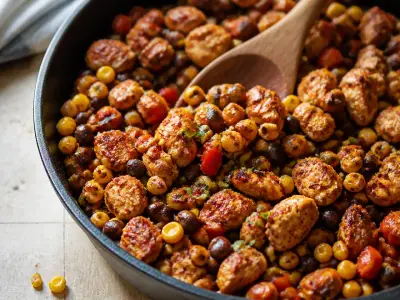
Cajun Chicken Corn Skillet
Cajun-spiced chicken, corn, peppers, and black beans cook together in a colorful 30-minute skillet.
Get the recipe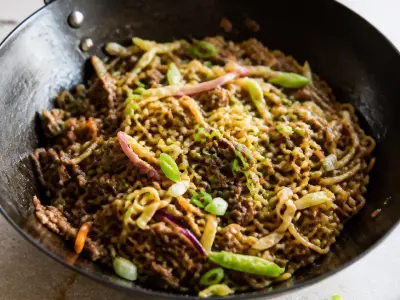
Ginger Beef Ramen Stir-Fry
Lean beef, broccoli slaw, and ramen noodles cook in a gingery soy sauce in 25 minutes.
Get the recipe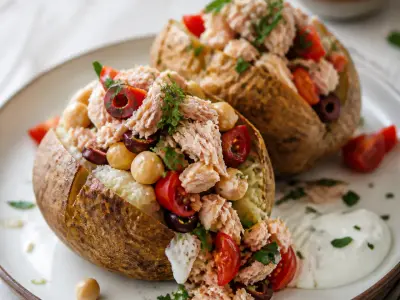
Mediterranean Tuna Stuffed Potatoes
Fluffy baked potatoes get filled with tuna, chickpeas, tomatoes, olives, and lemon yogurt.
Get the recipe