30-minute dinner
Creamy Tuscan Chicken and White Bean Skillet
Chicken, white beans, spinach, and sun-dried tomatoes simmer in a creamy Parmesan sauce for a 30-minute skillet dinner with an estimated 35 grams of protein per serving.
Published · Updated

- Total time
- 30 min
- Serves
- 6
- Est. protein
- 35g
The recipe
Creamy Tuscan Chicken and White Bean Skillet
Ingredients
- 1 1/2 pounds boneless skinless chicken breasts, cut into 1-inch pieces
- 1 teaspoon kosher salt
- 1/2 teaspoon black pepper
- 1 teaspoon Italian seasoning
- 1 tablespoon olive oil
- 3 garlic cloves, minced
- 1/2 cup chopped oil-packed sun-dried tomatoes, drained
- 1 (15-ounce) can cannellini beans, drained and rinsed
- 1 cup low-sodium chicken broth
- 1/2 cup half-and-half
- 1/2 cup grated Parmesan cheese
- 3 cups baby spinach
Contains: Milk
Instructions
- Season the chicken with salt, black pepper, and Italian seasoning.
- Heat the olive oil in a large skillet over medium-high heat. Add the chicken in a single layer and cook, stirring occasionally, until browned, about 5–6 minutes.
- Add the garlic and sun-dried tomatoes and cook for 30 seconds. Stir in the cannellini beans and chicken broth. Simmer for 5 minutes, until the chicken reaches 165°F.
- Reduce the heat to low. Stir in the half-and-half and Parmesan, then add the spinach a handful at a time until wilted. Remove from the heat and rest for 3 minutes before serving.
Food safety: Cook chicken to 165°F. Refrigerate leftovers within 2 hours and reheat to 165°F.
Leftovers: Refrigerate for up to 3–4 days. Reheat gently to 165°F, adding a splash of broth if the sauce thickens.
Keeping a cream sauce from breaking
The instruction that decides this dish is “reduce the heat to low” before the half-and-half goes in. Half-and-half is roughly 12 percent fat, which is not much insurance. Dairy at that fat level curdles when it meets high heat, especially with acid in the pan from the sun-dried tomatoes. The proteins tighten and squeeze out water, and you get a grainy sauce with visible flecks instead of a smooth one.
Three habits prevent it. Drop the heat before the dairy goes in. Add the Parmesan off direct heat or on the lowest setting, stirring until it melts rather than boiling it. And if you want to be thorough, let the half-and-half sit out while you cook so it is not fridge-cold going into a hot pan.
Heavy cream is far more forgiving, if you would rather not think about it. Whole milk is less forgiving and will need a teaspoon of cornstarch slurried in to hold together.
Why white beans belong here
Cannellini beans are not filler. They do three things at once: they add protein and fiber without a second pan, their starchy exteriors slightly thicken the broth as they simmer, and their soft, mealy interiors give the dish a body that chicken and spinach alone do not have. This is the difference between a sauce that feels like a coating and one that feels like a meal.
Rinse them well. The liquid in the can is starchy and salty and, left in, makes the sauce cloudy and oddly sweet. A few beans crushed against the side of the pan with a spoon will thicken the sauce further if you like it heavier.
Great Northern beans substitute directly. Chickpeas do not — they stay firm and pull the dish somewhere else entirely.
The sun-dried tomato problem
Oil-packed sun-dried tomatoes are much better than the dry-packed kind here, because they are already soft and their oil carries flavor. But they must be drained properly, and this is where the dish most often goes wrong: tip them into a strainer, let them sit for a minute, and press gently. Otherwise two or three tablespoons of tomato-flavored oil end up in the sauce, and it will separate into an orange slick no matter how carefully you handle the dairy.
That drained oil is worth keeping in a jar. It is excellent for the next night’s vinaigrette or for frying eggs.
Ingredient notes
Chicken breast in 1-inch pieces. Small pieces mean fast, even cooking and lots of browned surface. Thighs work and are more forgiving, but they render more fat, so you may want to pour some off before the broth goes in.
Italian seasoning. A blend, usually oregano-dominant, and it seasons the chicken directly rather than being sprinkled into the sauce. Seasoning the meat is what keeps the dish from tasting like plain chicken sitting in a good sauce.
Parmesan. Grate it yourself from a wedge. Pre-grated Parmesan is coated in cellulose to keep it loose, and that coating is exactly what makes it melt poorly and turn a sauce gritty.
Baby spinach. Three cups looks absurd and collapses to almost nothing. Add it in handfuls, letting each wilt before the next goes in, or the pan will overflow.
What goes wrong
- Boiling after the dairy. Once the cream is in, the pan should never bubble hard again. Warm, not simmering.
- Under-browning the chicken. Five to six minutes over medium-high with the pieces in a single layer. If the chicken releases liquid and poaches, the sauce loses the browned flavor that gives it depth.
- Over-reducing before the cream. The broth should still be loose when the dairy joins it. A pan reduced to nearly dry produces a sauce so thick it is more like a paste.
Storage and reheating
Three to four days refrigerated. Cream sauces thicken considerably as they cool, so add a splash of broth or milk when reheating, and warm gently to 165°F rather than blasting it in the microwave — the same curdling rules apply on the way back up.
Freezing is not recommended. Dairy-based sauces separate on thawing, and the beans go mealy. If you want to cook ahead for the freezer, stop before the cream and cheese, freeze the chicken-and-bean base, then finish with fresh dairy after thawing.
Serving it
The sauce is the point, so give people something to eat it with: crusty bread, orzo, polenta, or mashed potatoes. Over pasta it becomes a different and heavier dish; over a split baked potato it is excellent. A green salad with a sharp vinaigrette cuts the richness better than another cooked vegetable would.
Questions people ask
Can I use milk instead of half-and-half? Yes, with a teaspoon of cornstarch whisked into the cold milk first. The sauce will be lighter and slightly less stable.
My sauce is grainy — can I rescue it? Sometimes. Off the heat, whisk in a tablespoon of cold cream or a little cold butter; that often brings a mildly broken sauce back together. Badly curdled dairy does not recover.
Can I add pasta directly to the skillet? Not with these liquid quantities. Cook pasta separately and fold it in, adding a splash of the pasta water.
How spicy can this get? A quarter teaspoon of red pepper flakes with the garlic is a good baseline; the cream mutes heat considerably, so it takes more than you would expect.
About the protein estimate35g per serving is an estimate based on standard ingredient data. Brands, substitutions, and portion sizes change the result. View the source.
More dinners like this
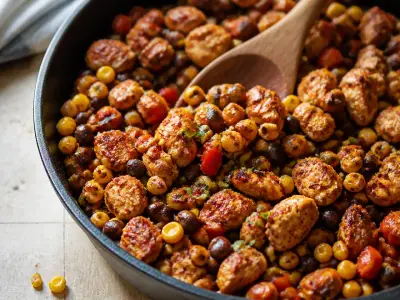
Cajun Chicken Corn Skillet
Cajun-spiced chicken, corn, peppers, and black beans cook together in a colorful 30-minute skillet.
Get the recipe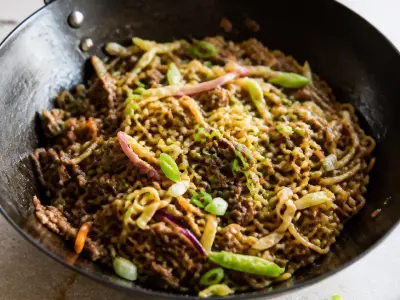
Ginger Beef Ramen Stir-Fry
Lean beef, broccoli slaw, and ramen noodles cook in a gingery soy sauce in 25 minutes.
Get the recipe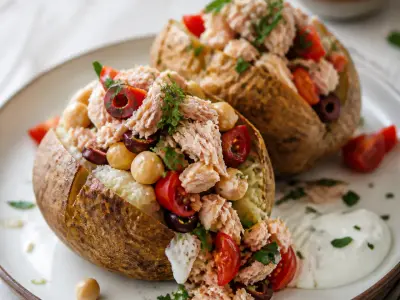
Mediterranean Tuna Stuffed Potatoes
Fluffy baked potatoes get filled with tuna, chickpeas, tomatoes, olives, and lemon yogurt.
Get the recipe